

Laparoscopic & Vaginal Hysterectomy
Modern surgical techniques have made hysterectomy safer and less invasive than traditional open surgery. Laparoscopic and vaginal hysterectomy are commonly preferred because they offer faster recovery, less discomfort, and smaller or no visible scars.
Understanding Hysterectomy
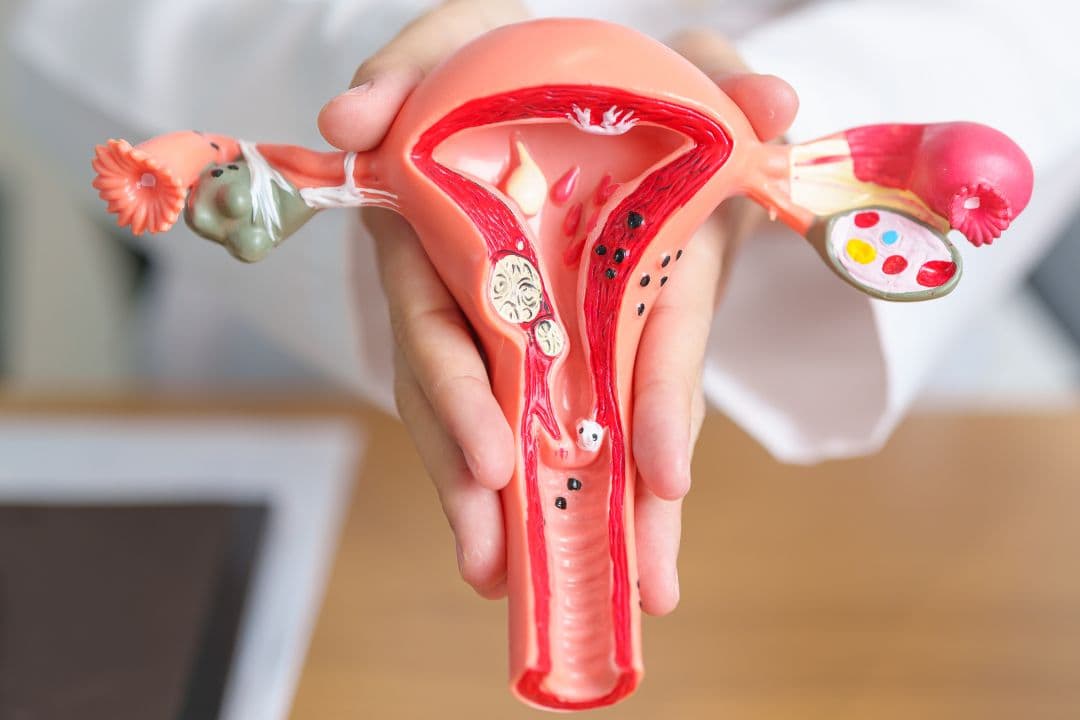
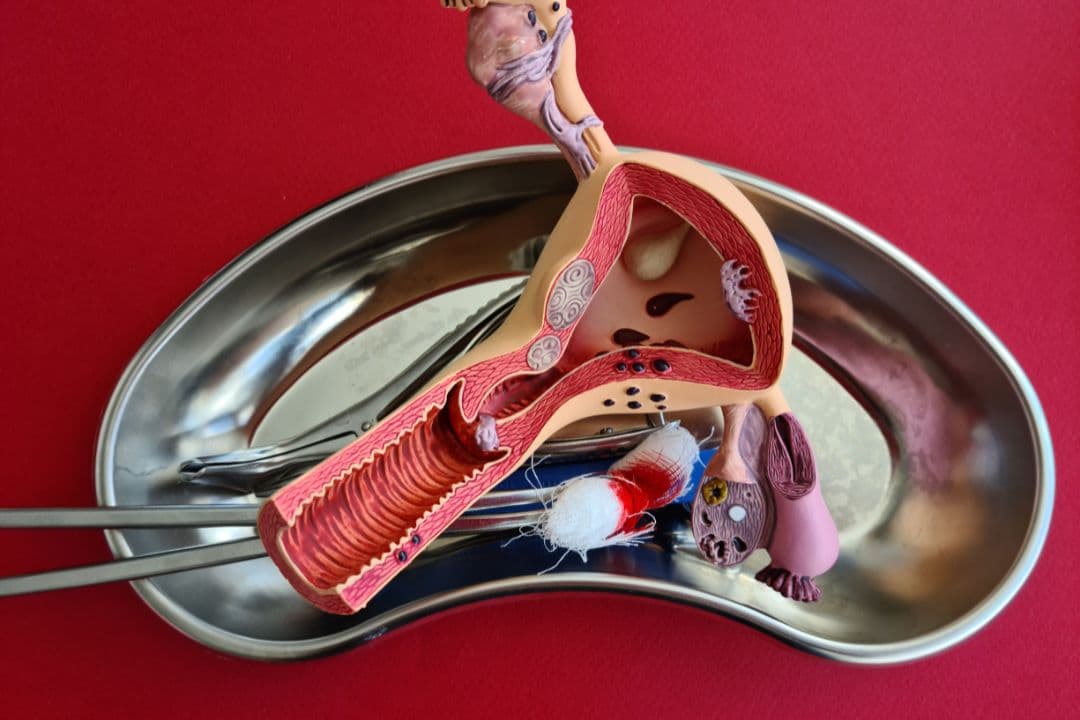
A hysterectomy is a surgical procedure performed to remove the uterus. After a hysterectomy, menstrual periods stop, and pregnancy is no longer possible.
It may be recommended for women experiencing the following conditions:
Two Minimally Invasive Approaches
The choice between vaginal and laparoscopic hysterectomy depends on factors such as the size of the uterus, the underlying condition, previous surgeries, and the patient's overall health.
Laparoscopic Hysterectomy
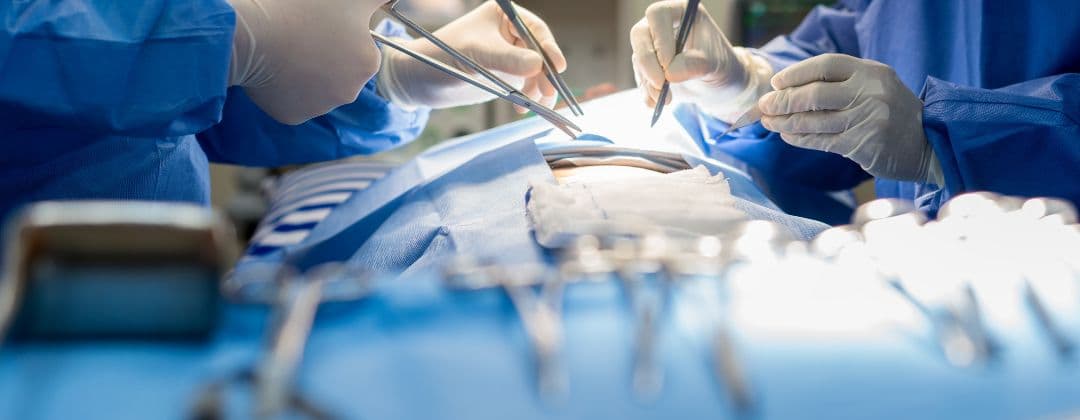
A minimally invasive procedure performed through a few small incisions in the abdomen. A laparoscope, which is a thin instrument with a camera and light, allows the surgeon to view the pelvic organs and remove the uterus with precision. This approach is often recommended for women with fibroids, endometriosis, abnormal uterine bleeding, or other conditions requiring uterine removal. The procedure may involve removing only the uterus or, when medically necessary, additional structures such as the cervix, fallopian tubes, or ovaries.
Because the surgery is performed through small incisions, patients typically experience less pain, reduced blood loss, and a quicker return to normal activities compared to traditional open surgery.

Vaginal Hysterectomy
Involves removing the uterus through the vagina without making any abdominal incisions. It is commonly recommended for conditions such as uterine prolapse, abnormal uterine bleeding, or selected benign gynecological conditions. The absence of external cuts makes vaginal hysterectomy one of the least invasive hysterectomy techniques.
It generally results in less postoperative discomfort, shorter hospital stays, and faster recovery. Many women are able to resume their regular daily activities sooner compared to more extensive surgical approaches.
Benefits of Minimally Invasive Hysterectomy
Both laparoscopic and vaginal hysterectomy offer several advantages over traditional abdominal surgery. These procedures are designed to reduce surgical trauma while providing effective treatment for a wide range of gynecological conditions.
Smaller or no visible scars
Less postoperative pain and discomfort
Reduced blood loss during surgery
Lower risk of infection and complications
Shorter hospital stay
Faster recovery and return to daily activities
Improved overall patient comfort and satisfaction
These benefits make minimally invasive hysterectomy a preferred option for many women who require surgical treatment.
Recovery and Postoperative Care
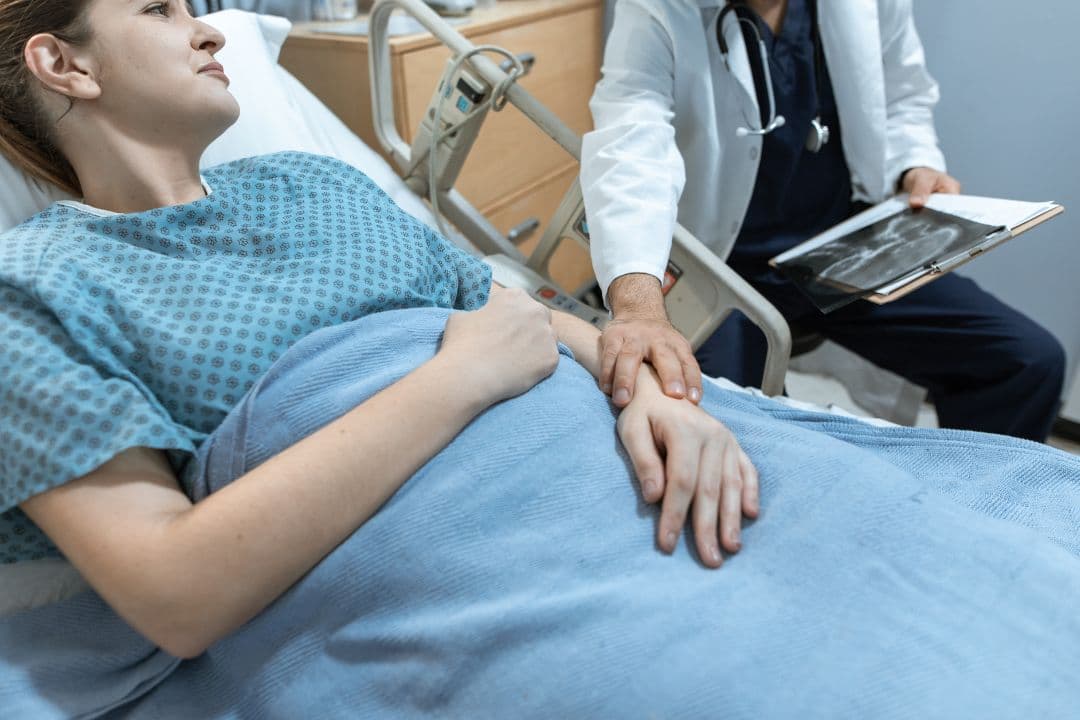
Recovery after laparoscopic or vaginal hysterectomy is generally quicker than recovery after open abdominal surgery. Most women can return to light daily activities within a few days, although complete healing may take several weeks.
Patients may experience mild discomfort, fatigue, or light vaginal discharge during the recovery period. Following the surgeon's instructions regarding rest, physical activity, wound care, and follow-up visits is important for optimal healing.
Regular postoperative evaluations help monitor recovery and address any concerns.
Safe, Effective Surgical Care
With proper care and expert surgical management, laparoscopic and vaginal hysterectomy provide safe and effective solutions for treating a variety of gynecological conditions while supporting long-term health and well-being.