

Operative Hysteroscopy
Operative hysteroscopy is a minimally invasive gynecological procedure used to diagnose and treat certain conditions inside the uterus, offering both diagnosis and treatment in a single procedure.

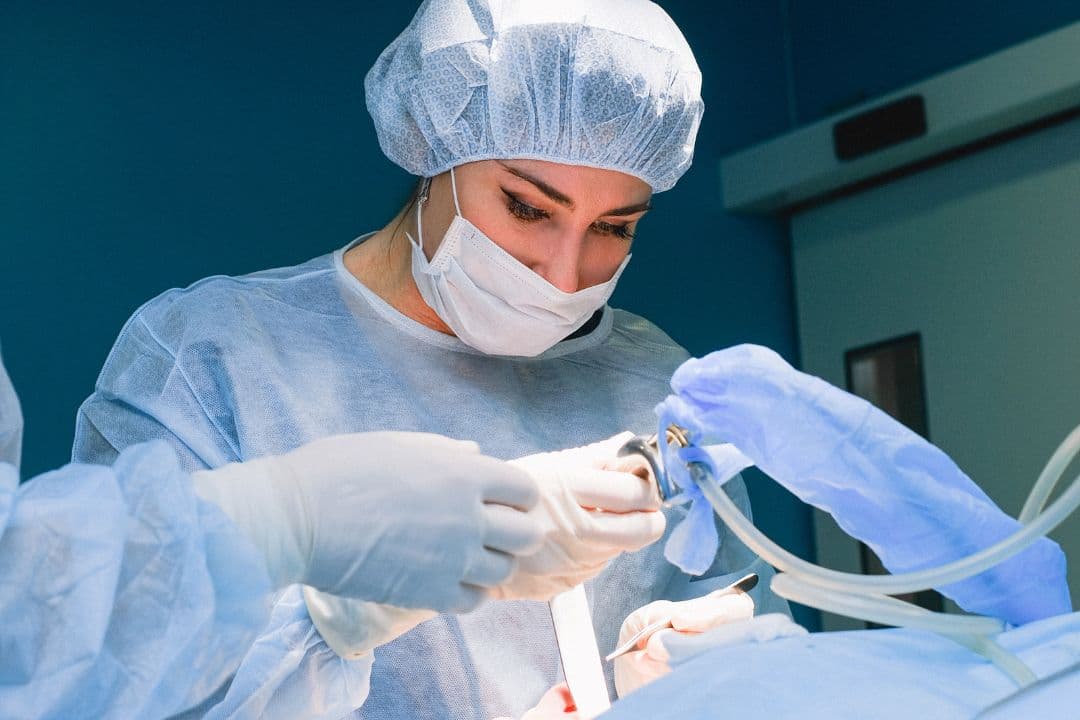
What Is Operative Hysteroscopy?
During the procedure, a thin instrument called a hysteroscope is inserted through the vagina and cervix into the uterus. The hysteroscope contains a light and camera, allowing the doctor to view the uterine cavity clearly and perform necessary treatments without making any external incisions.
Operative hysteroscopy is commonly recommended for women experiencing abnormal uterine bleeding, uterine abnormalities, infertility-related concerns, or recurrent pregnancy loss. It offers both diagnosis and treatment in a single procedure, helping improve uterine health and reproductive outcomes.
When Is Operative Hysteroscopy Recommended?
Operative hysteroscopy is used to treat a variety of conditions affecting the uterus. It allows doctors to directly identify and remove abnormalities that may be causing symptoms or fertility problems.
Uterine polyps
Submucosal fibroids
Uterine septum or congenital uterine abnormalities
Intrauterine adhesions (Asherman’s syndrome)
Abnormal uterine bleeding
Retained pregnancy tissue
Removal of displaced intrauterine devices (IUDs)
The procedure is also frequently used as part of fertility evaluation and treatment when abnormalities inside the uterus may be affecting conception or pregnancy outcomes.
How the Procedure Is Performed
Anesthesia
Operative hysteroscopy is usually performed as a day-care procedure under local, regional, or general anesthesia, depending on the condition being treated and the complexity of the procedure.
Insertion & Visualization
A hysteroscope is gently inserted through the cervix into the uterus. The uterine cavity is expanded using a sterile fluid to provide a clear view of the internal structures.
Treatment
Specialized surgical instruments are then passed through the hysteroscope to remove polyps, fibroids, scar tissue, or other abnormalities. Because the procedure is performed through the natural opening of the cervix, there are no external cuts or scars.
Most procedures are completed within a short period, and patients can often return home the same day.

Benefits and Recovery After Operative Hysteroscopy
Operative hysteroscopy offers several advantages compared to traditional surgical procedures. Since it is minimally invasive, recovery is generally faster, with less discomfort and a lower risk of complications.
No abdominal incisions or visible scars
Short hospital stay or same-day discharge
Faster recovery and return to daily activities
Reduced postoperative pain
Accurate diagnosis and treatment in one procedure
Improved fertility outcomes in selected cases
After the procedure, mild cramping, light bleeding, or spotting may occur for a few days. Most women can resume normal activities within a short period, although doctors may advise avoiding intercourse, swimming, or tampon use for a specific duration.
Risks and Follow-Up Care
Operative hysteroscopy is generally considered a safe procedure when performed by an experienced gynecologist. However, like any medical procedure, it carries a small risk of complications such as:
Follow-up appointments are important to monitor healing and assess treatment outcomes. Women undergoing the procedure for fertility-related concerns may also receive additional guidance regarding future pregnancy planning or reproductive treatments.

An Effective, Reliable Treatment Option
With proper evaluation, skilled surgical care, and appropriate follow-up, operative hysteroscopy is an effective and reliable treatment option for many uterine conditions, helping improve both gynecological health and reproductive well-being.