

Menstrual Problems & Irregular Periods
Menstrual problems are common among women of all age groups and can affect daily life, physical health, and emotional well-being. With the right diagnosis and a personalised treatment plan, most menstrual issues can be managed effectively.
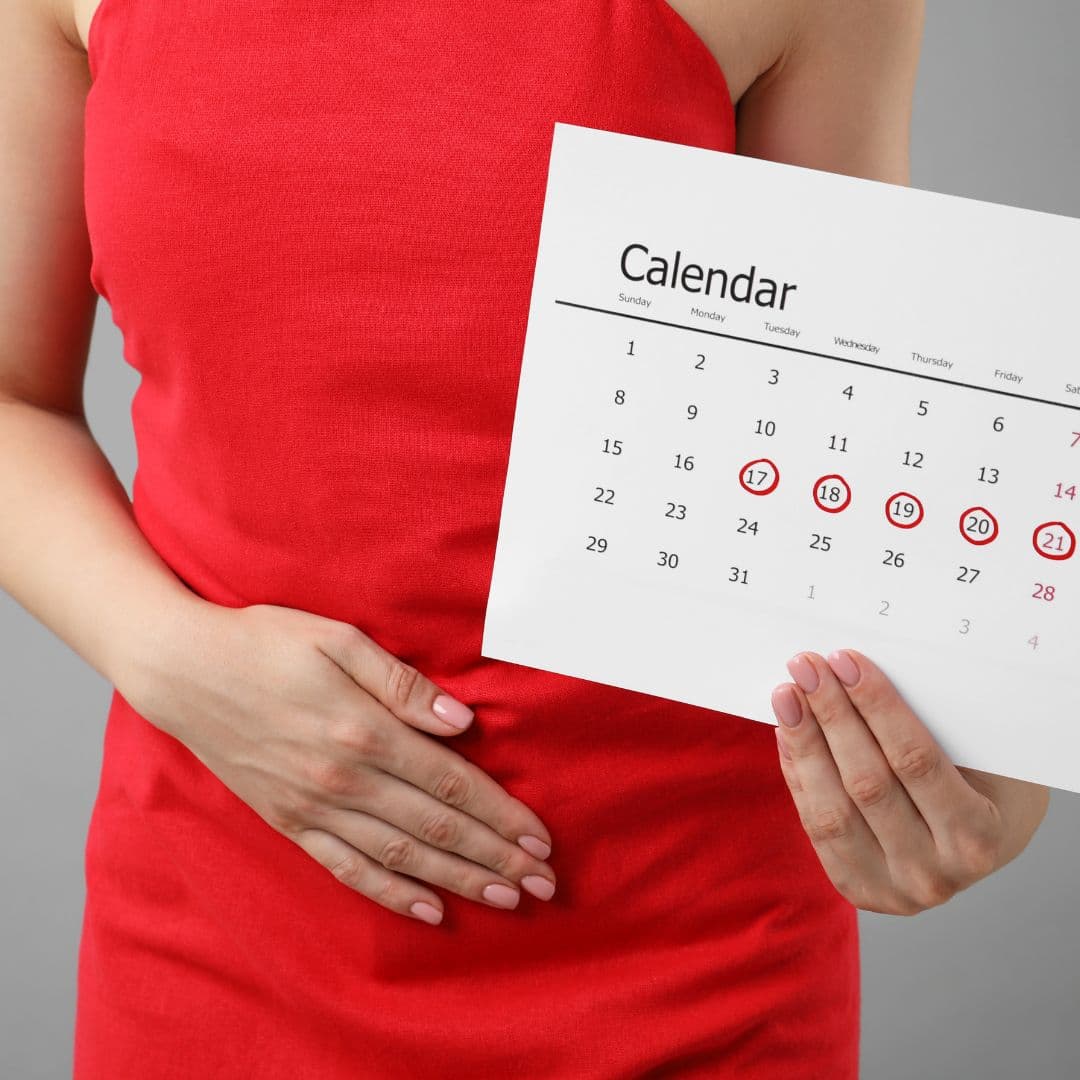
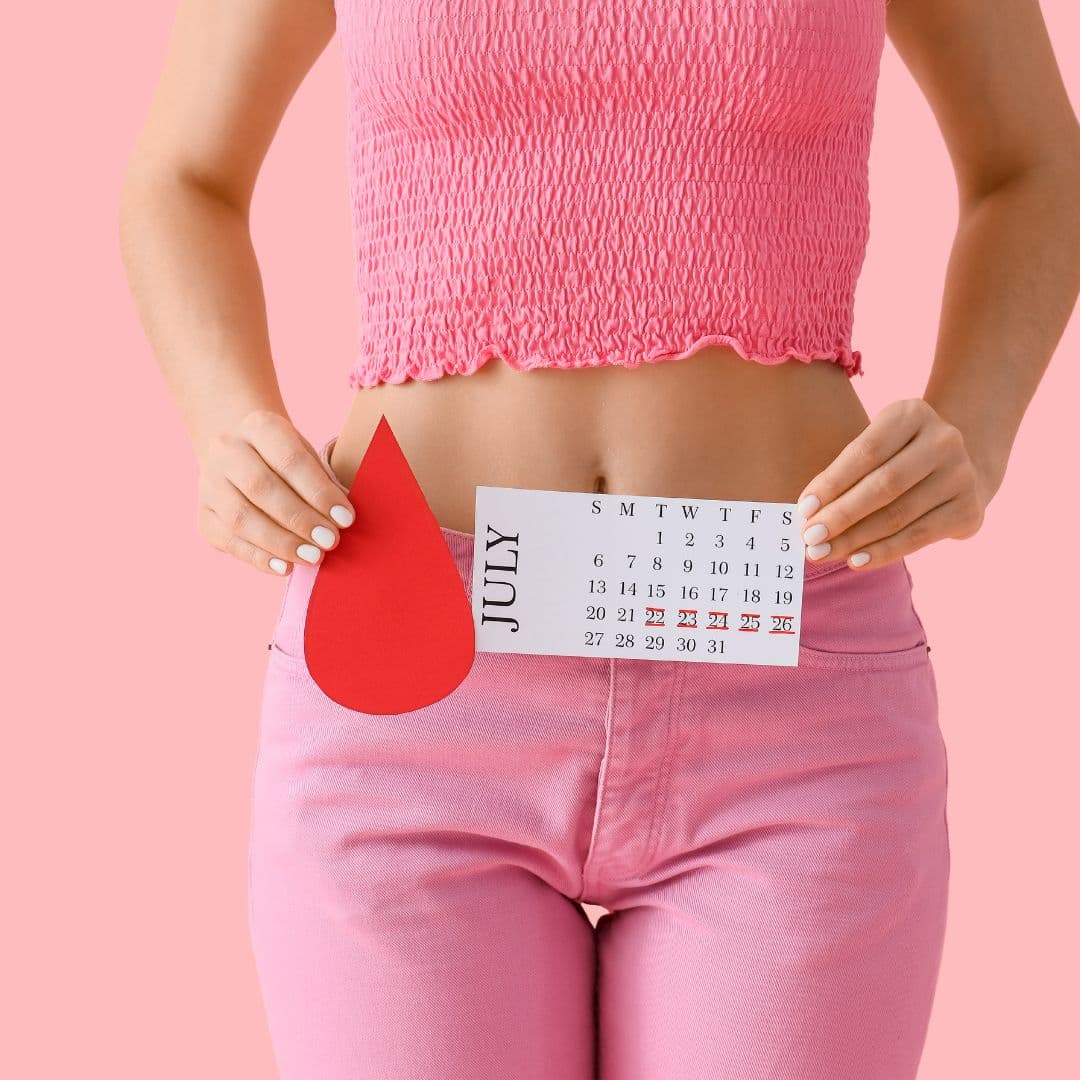
Understanding Menstrual Problems & Irregular Periods
A normal menstrual cycle usually occurs every 21 to 35 days and lasts between 2 to 7 days. Some variation is normal, but ongoing changes in timing, flow, or pain levels may indicate an underlying health concern that needs attention.
Irregularities can occur due to hormonal changes, stress, lifestyle factors, medical conditions, or reproductive health disorders. Early diagnosis and proper treatment can help manage symptoms effectively and improve overall reproductive health.
Common Menstrual Problems
Many women experience menstrual discomfort occasionally, but persistent or severe symptoms should not be ignored.
Painful Periods
Cramps occur when the uterus contracts to shed its lining. Mild cramps are common, but severe pain affecting daily activities may need evaluation.
Heavy Bleeding
Excessive bleeding that requires frequent product changes can sometimes lead to fatigue, weakness, or anemia.
Irregular Cycles
Periods that arrive too early, too late, or vary significantly each month, with changes in timing, duration, or flow.
Missed Periods
Can occur due to pregnancy, stress, sudden weight changes, excessive exercise, hormonal imbalance, or menopause.
PMS Symptoms
Mood swings, bloating, headaches, tiredness, and breast tenderness in the days before a period begins.
Causes of Irregular Periods
Hormonal imbalance is one of the most common causes and can affect ovulation and the menstrual cycle. Conditions that may contribute to menstrual irregularities include:
Certain medications, hormonal contraceptives, or underlying medical conditions may also affect menstrual patterns. Keeping track of your cycles, bleeding patterns, and symptoms helps your healthcare provider identify the cause more effectively.

Diagnosis & Treatment
Treatment depends on the underlying condition and severity of symptoms. Early medical attention can help prevent complications and improve overall reproductive health.
Detailed Discussion
A thorough review of your symptoms, menstrual history, lifestyle habits, and medical background.
Tests & Scans
Blood tests, ultrasound scans, pelvic examinations, or hormone testing to identify the underlying cause.
Lifestyle Guidance
Stress management, healthy weight, regular exercise, and balanced nutrition to improve menstrual health.
Medical Treatment
Medications to reduce pain, regulate hormones, or control heavy bleeding — including hormonal options like birth control pills or IUDs.
Specialised Care
Conditions like endometriosis, fibroids, or severe bleeding may require specialised or surgical management.
When to Seek Medical Help
It's important to consult a healthcare provider if menstrual problems become severe, persistent, or start affecting daily life — especially if you experience:
- Extremely painful periods
- Very heavy bleeding
- Irregular periods lasting several months
- Missed periods without pregnancy
- Bleeding between periods
- Severe pelvic pain
- Fatigue or dizziness (signs of anemia)
