
Preconception Counselling & Planning
A healthy pregnancy begins even before conception. Preconception counselling helps couples improve overall health, identify possible medical concerns, and prepare physically and emotionally for a safe pregnancy and healthy baby.


Why is Preconception Counselling Important?
Many health conditions, lifestyle habits, and nutritional deficiencies can affect fertility and pregnancy outcomes. Counselling helps couples understand how existing medical conditions, medications, and family history may impact pregnancy.
This counselling is especially beneficial for women with irregular periods, previous miscarriages, chronic health conditions, or fertility concerns — but even healthy couples can benefit from proper pregnancy planning and medical guidance before trying to conceive.
What Happens During Preconception Counselling?
The healthcare provider evaluates your overall health and discusses important factors related to pregnancy — including medical history, reproductive health, family history, lifestyle habits, and current medications.
Health Screenings
Basic health screenings and blood tests to check for infections, diabetes, thyroid disorders, anemia, or STIs.
Genetic Screening
May be advised if there is a family history of inherited conditions, helping identify possible genetic risks early.
Vaccination Review
Your doctor reviews vaccination status to ensure protection against infections that can affect pregnancy.
Medication Adjustment
Certain medications may need adjustment before conception to ensure they are safe during pregnancy.
Fertility Awareness
Guidance on menstrual cycle tracking and the best time to try for conception, with open discussion of concerns.

Lifestyle Changes for a Healthy Pregnancy
Healthy habits before pregnancy can improve fertility and support the healthy development of the baby — small changes made now can have long-term benefits.

Balanced Nutrition
A diet rich in fruits, vegetables, whole grains, proteins, and healthy fats — along with prenatal vitamins containing folic acid to reduce the risk of birth defects.
Healthy Body Weight
Being overweight or underweight may affect hormone balance and fertility, so maintaining a healthy weight is important.
Regular Activity
Walking, yoga, or light exercise can improve overall health and reproductive wellness.
Avoiding Harmful Habits
Smoking, alcohol, and recreational drugs should be avoided as they increase the risk of miscarriage and developmental problems.
Rest & Stress Reduction
Reducing stress and getting proper sleep supports emotional and hormonal health during pregnancy planning.
Managing Medical Conditions Before Pregnancy
Women with chronic health conditions should seek medical guidance before trying to conceive. Counselling helps doctors create a safe pregnancy plan by adjusting medications and monitoring health conditions, including:
Some medications may not be safe during pregnancy, so it's important not to stop or change medicines without medical advice. If needed, genetic counselling and testing can help couples understand inherited conditions and available options before pregnancy.
Benefits of Preconception Planning
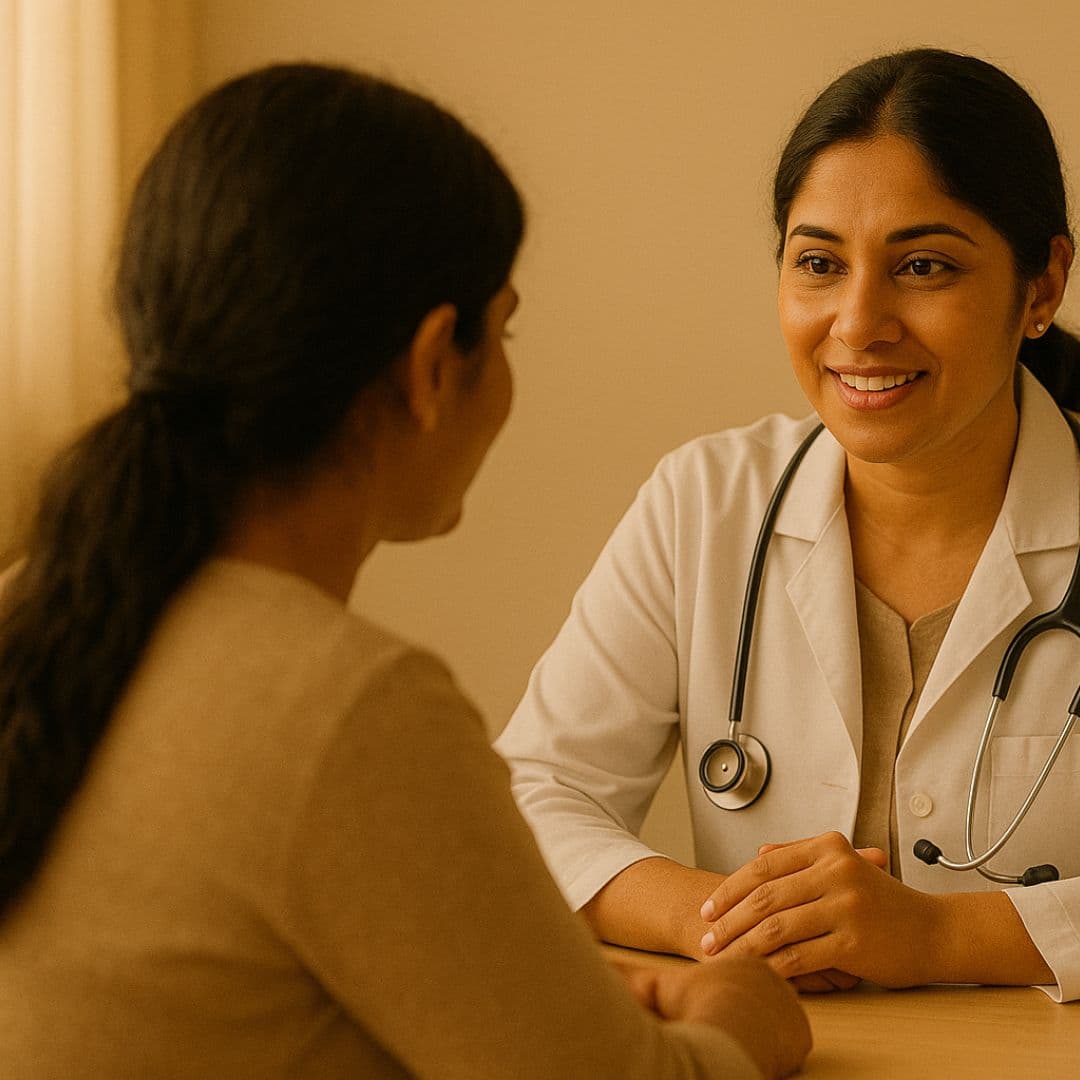
Ideally, preconception counselling should begin at least three months before trying to conceive — but it's never too early to start focusing on reproductive health and future pregnancy goals.

Physical & Emotional Readiness
Helps couples prepare physically, mentally, and emotionally for parenthood.

Healthier Pregnancy Outcomes
Improves fertility health, supports healthy fetal development, and lowers the risk of complications during pregnancy and delivery.

Time to Prepare
Gives enough time to make positive lifestyle changes, complete vaccinations, and address medical concerns before conception.
Start Your Pregnancy Journey with Confidence
With the right medical support and healthy lifestyle choices, preconception counselling can help create a strong foundation for a safe pregnancy and a healthy baby.